Artículo extraído de El Periodico
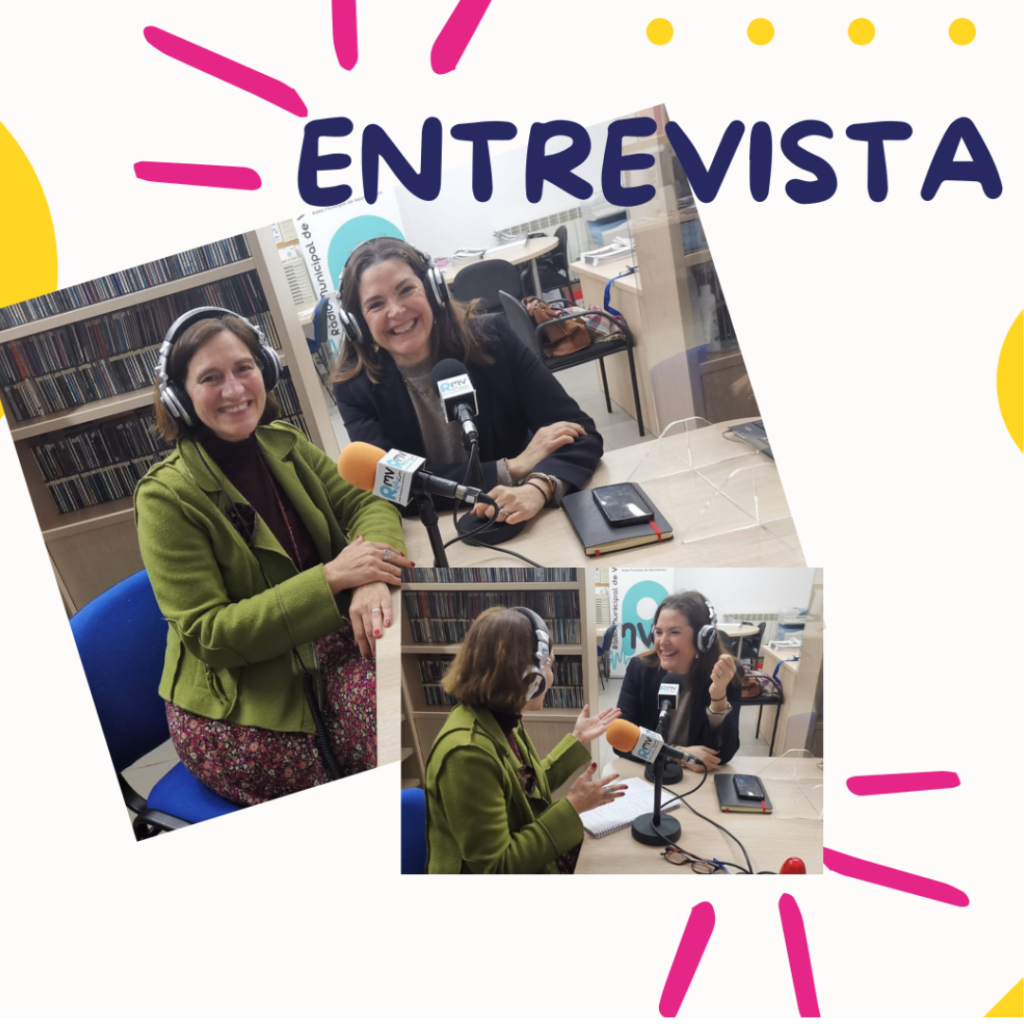
Escucha y mira la entrevista completa de MamaTieneMigraa a continuación:
Entrevista completa en Youtube.
Sergi Mas – 22 JUN 2025 7:59 – Actualizada 22 JUN 2025 8:25
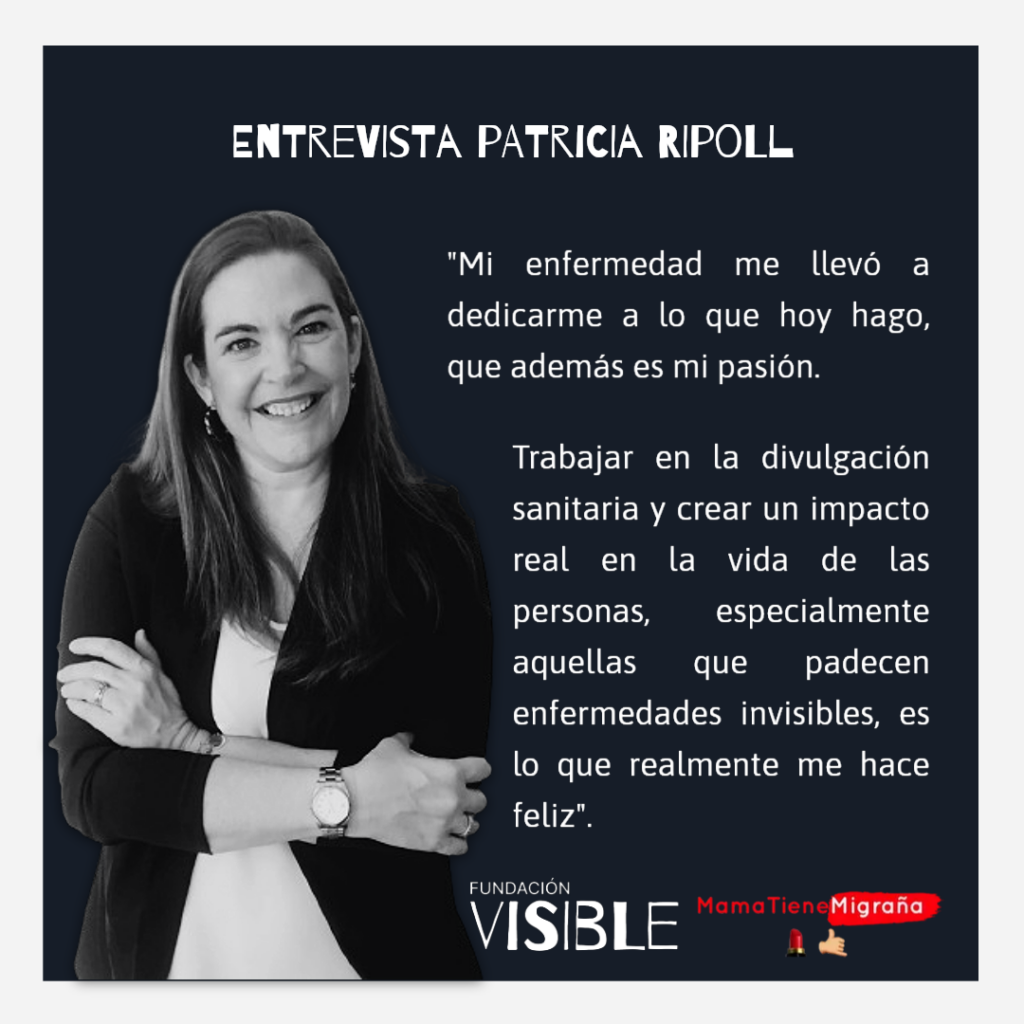
Nuestra invitada asegura que se ha avanzado mucho sobre el origen de una migraña que ella padece desde los 7 años: «Y se presenta cuando quiere, por mucho que alguien lleve una rutina saludable, duerma las horas necesarias, pero cuando la migraña ataca, ataca. Y te anula el día».
La migraña es la primera causa de discapacidad en mujeres menores de 50 años y de días perdidos sin poder trabajar. Además, tiene una gran componente hereditario y por desgracia se aprende a convivir con ella, y una acaba normalizando el dolor.
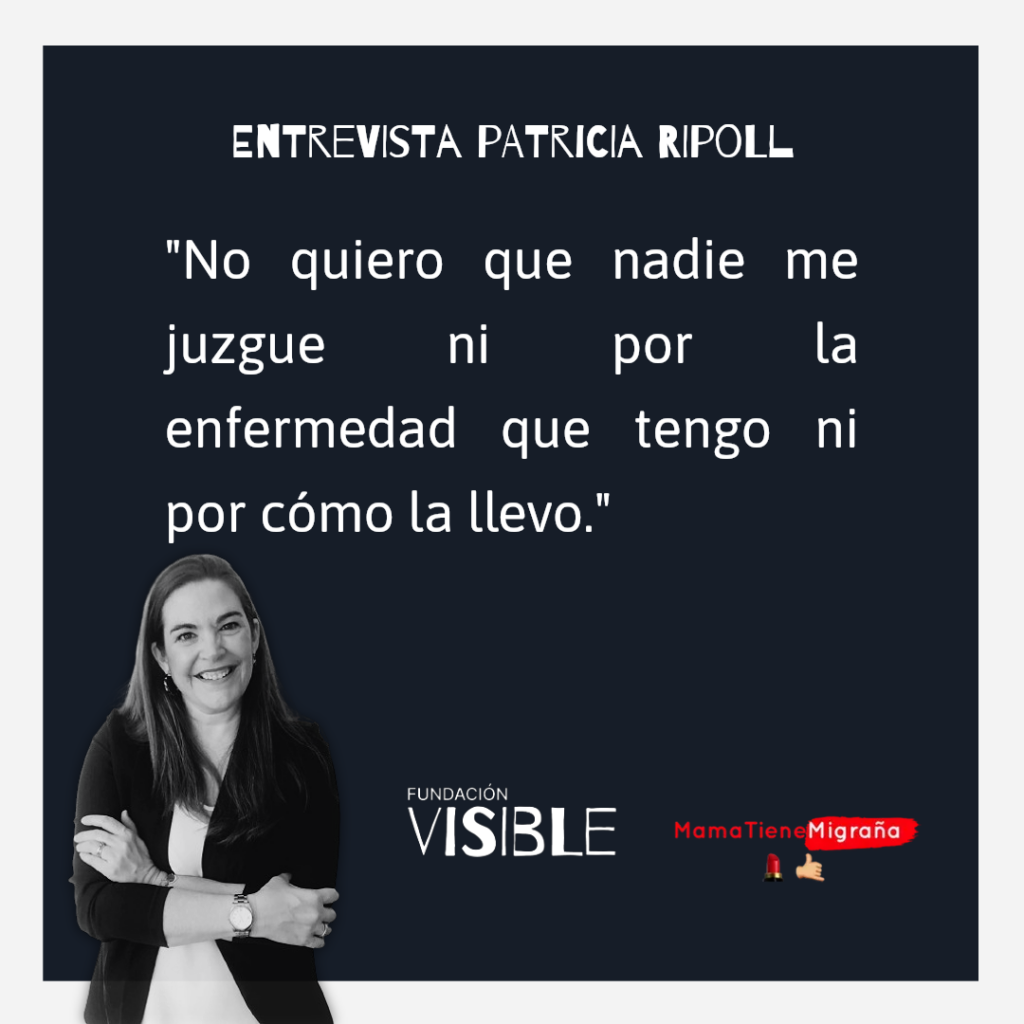
«Había días en los que me encerraba en el lavabo del despacho, o en el de una discoteca, a oscuras, sentada en el suelo, y cuando entraba alguien pensaba que estaba borracha. Es de una desesperación galopante».
«Mi hijo pequeño le dijo a mi neuróloga: la migraña es eso que nos roba a mamá»
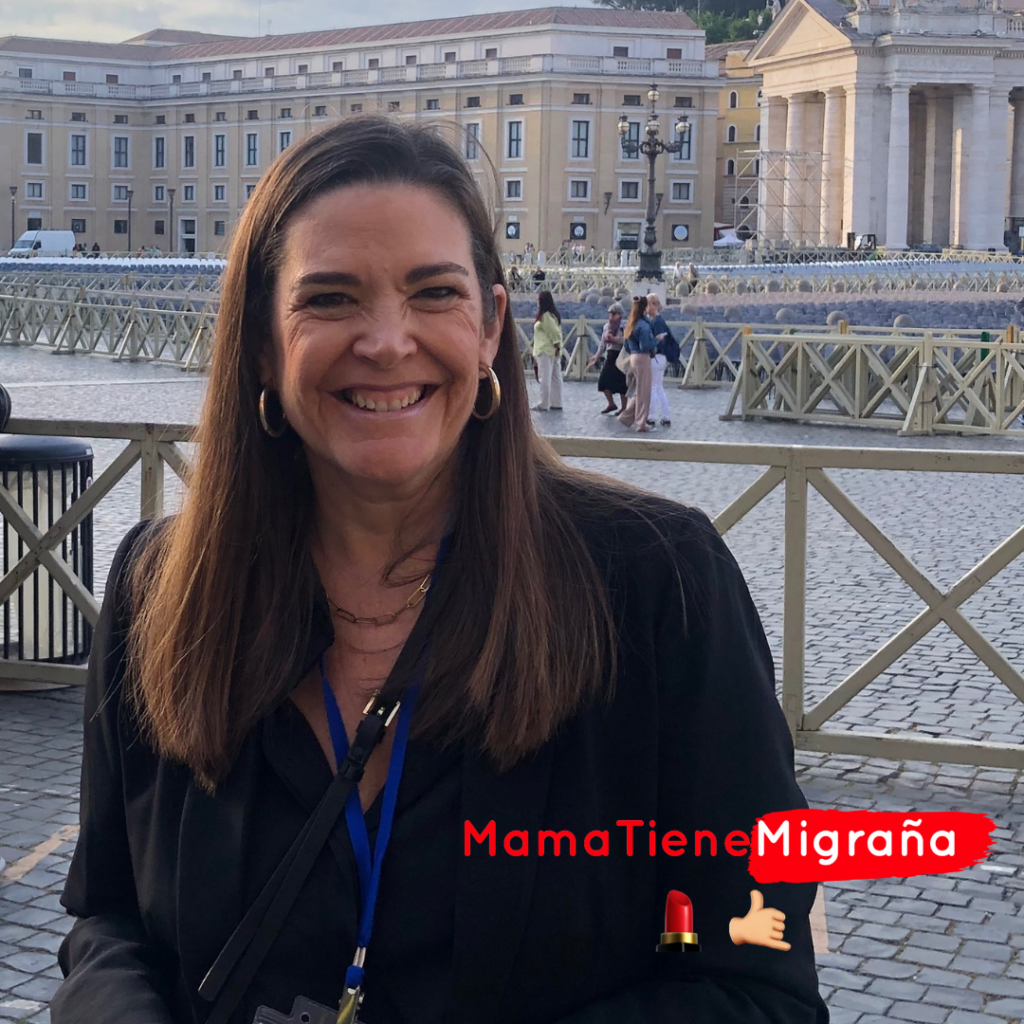
Hace diez años empezó a escribir en un blog sus primeros síntomas, hasta que nació ‘mamá tiene migraña’. Desde entonces empiezo a recibir muchas respuestas de personas con los mismos síntomas.
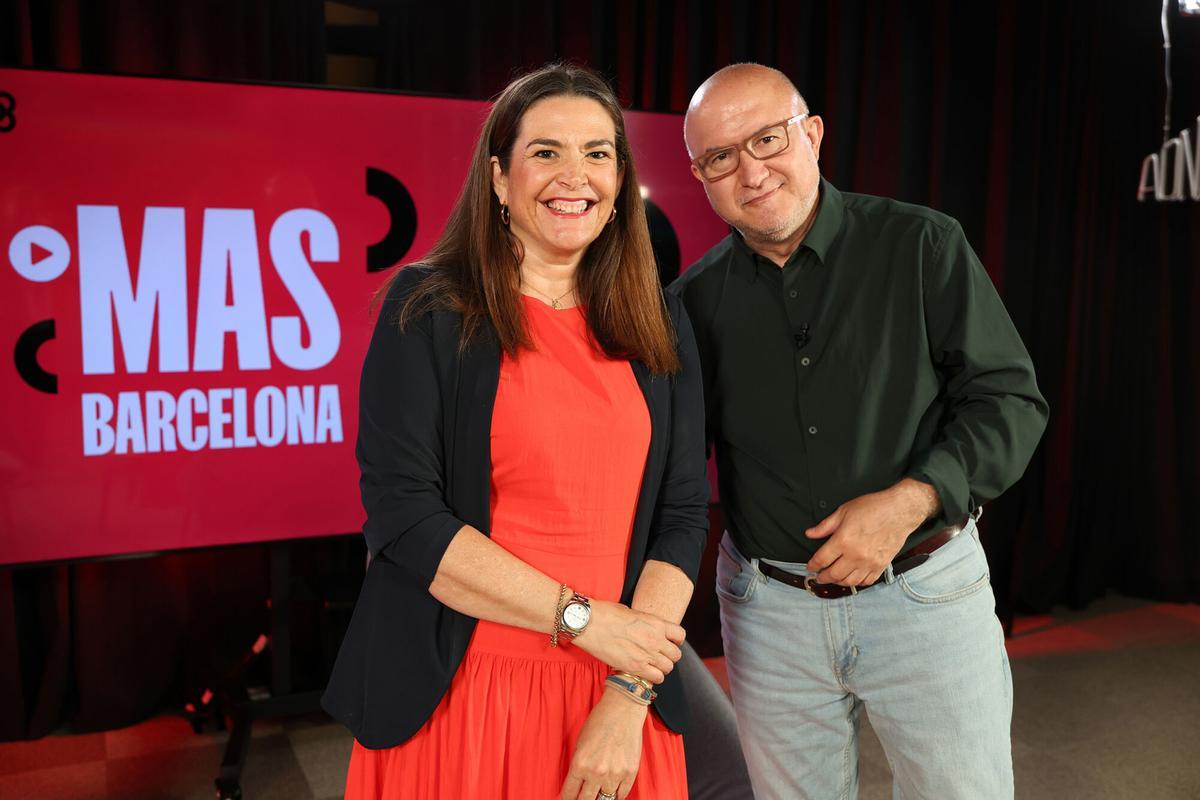
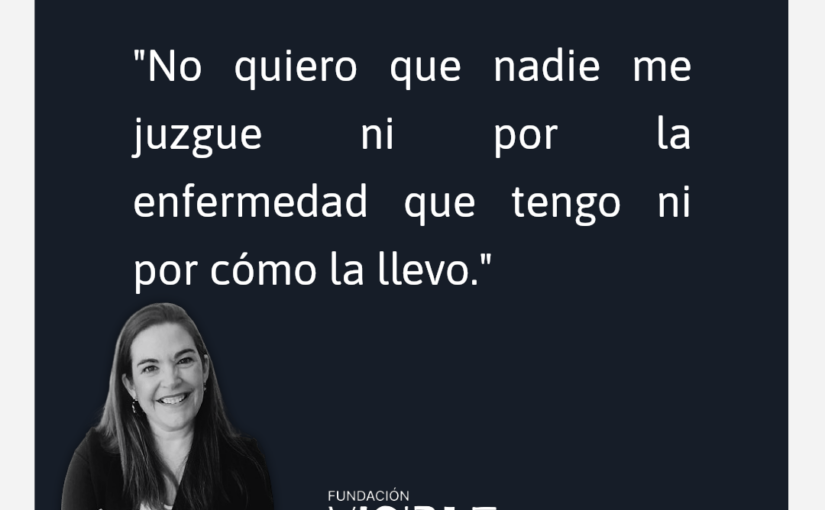
Patricia es presidenta de la FUNDACIÓN VISIBLE, cuya finalidad consiste en visibilizar aquello que no se ve y que afecta a la salud, así como divulgar sobre el dolor de las personas, especialmente de la migraña, y también de otras patologías poco o nada visibles, como la vida después de un ictus, etc.
Dónde ver y escuchar Mas Barcelona
El videopódcast ‘Mas Barcelona’ se puede ver y escuchar en las principales plataformas: Spotify, Youtube, ivoox, Apple Podcast, Amazon Podcast y Podimo.